جزئیات محصولات

Created with Pixso. خونه Created with Pixso. محصولات Created with Pixso.
تخته های گچی
Created with Pixso.

Common Mistakes When Using Moisture Resistant Gypsum Board in Wet Areas

Common Mistakes When Using Moisture Resistant Gypsum Board in Wet Areas

مقدار تولیدی: 1200
قیمت: $2.30-3
جزئیات اطلاعات
محل منبع:
گوانگدونگ، چین
گارانتی:
5 سال
مواد:
گچ، گچ، گچ طبیعی خالص
خدمات پس از فروش:
پشتیبانی فنی آنلاین، سایر موارد
سطح:
کاغذ
قابلیت حل پروژه:
راه حل کل برای پروژه ها، ادغام مقوله های متقابل، N/A
برنامه:
دکوراسیون، اتاق خواب، مرکز خرید، ویلا، انبار، بیمارستان، هتل، سوپرمارکت، مکان های ورزشی، سیستم پارتی
سبک طراحی:
مدرن
ویژگی:
مشترک
عرض (فوت) X طول (فوت):
4X8 فوت، 4x10ft، 4x12ft
نام محصول:
تخته گچی
رنگ:
سبز
استفاده:
پارتیشن دیواری داخلی
لبه:
مربع یا مخروطی
ضخامت:
9mm/9.5mm/12mm/12.5/15mm
اندازه:
1220mm*2440mm
کلمه کلیدی:
تخته گچی 12 میلی متر
مواد خام:
پودر گچ با خلوص بالا
برجسته کردن:

moisture resistant gypsum board

,

gypsum plaster boards for wet areas

,

waterproof gypsum board installation tips

توضیحات محصول
Wet Area Installation Guide

Common Mistakes When Using Moisture Resistant Gypsum Board in Wet Areas

Moisture resistant gypsum board is useful in damp interior areas, but many project problems happen because the board is used in the wrong way. Buyers may call it waterproof board, installers may place it in direct shower zones, or contractors may skip joint sealing and ventilation. These mistakes can lead to surface bubbling, weak edges, mold risk around joints, early ceiling repair and customer complaints.

This guide explains the most common mistakes when using green plasterboard or MR drywall in wet areas. The goal is not to make the product sound stronger than it is. The goal is to help importers, contractors and distributors understand where moisture resistant gypsum board works well, where it should be avoided, and what details must be controlled before and after installation.

Moisture Resistant Gypsum BoardGreen PlasterboardMR DrywallWet Area MistakesBathroom Ceiling BoardJoint Sealing
Product Boundary

Moisture Resistant Does Not Mean Fully Waterproof

The first mistake is also the most expensive one: using the right product name but expecting the wrong performance.

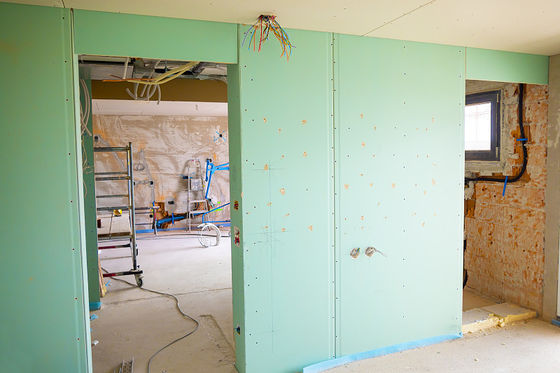
Moisture resistant gypsum board is designed for damp interior conditions. It is commonly used for bathroom ceilings, kitchen walls, laundry rooms, utility rooms, garage interiors and protected damp-room partitions. It performs better than standard drywall when indoor humidity is higher, but it is still a gypsum-based board with paper facers. It should not be treated like cement board, tile backer board or an outdoor waterproof panel.

In real projects, the board may work very well in a bathroom ceiling but fail when used behind a direct shower wall without waterproof treatment. The difference is exposure. A ceiling may face steam and humidity, while a shower wall may face direct water spray, tile load and repeated wetting. These two areas should not be judged with the same material logic.

For buyers, the correct question is not “Is this board water resistant?” The better question is “What type of water exposure will this board face?” Humid air, occasional cleaning moisture, direct water spray and continuous soaking are different conditions. Moisture resistant plasterboard is suitable for some of them, but not all.

Simple rule: use moisture resistant gypsum board for damp interior wall and ceiling areas. For direct wet zones, shower walls or heavy tile backing, check whether cement board, tile backer board or a complete waterproofing system is required.
Common Mistakes

Six Mistakes Buyers and Installers Should Avoid

These mistakes are common in bathroom, kitchen, laundry room and high-humidity interior projects.

01

Calling Moisture Resistant Board Waterproof

Some buyers think green plasterboard can be used wherever water exists. This is incorrect. Moisture resistant gypsum board is designed for damp indoor areas, not for rain exposure, soaking or long-term direct water contact.

Correct approach: Separate damp areas from wet areas. Use MR gypsum board for humid interiors, and check cement board or tile backer board for direct wet zones.
02

Using It in Direct Shower Spray Areas

A direct shower wall is different from a bathroom ceiling. The wall may receive repeated water spray and may carry tile or waterproof layers. If MR board is used here without system approval, repair risk can increase.

Correct approach: Use moisture resistant board for protected bathroom areas. For shower walls and tiled wet zones, confirm whether cement board or tile backer board is required.
03

Skipping Joint Sealing and Edge Treatment

Even a moisture resistant board can fail if joints, corners and cut edges are left unprotected. Moisture often enters through weak joints, screw areas, edges and damaged paper surfaces.

Correct approach: Use proper tape, joint compound, coating, sealant and edge protection according to the room condition and finishing method.
04

Ignoring Ventilation

Bathrooms, kitchens and laundry rooms create steam and warm air every day. If the room has poor ventilation, moisture can stay near the ceiling and wall surface for a long time, increasing the chance of surface problems.

Correct approach: Plan ventilation together with board selection. A better board cannot replace airflow, exhaust fans or correct room design.
05

Choosing the Wrong Thickness

Buyers sometimes choose the thinnest board only to reduce price. But ceilings, partitions and commercial interiors may need different thicknesses depending on framing, screw spacing, surface finish and local habit.

Correct approach: Confirm whether the project needs 9mm, 9.5mm, 12mm, 12.5mm or 15mm before ordering. Do not choose thickness only by unit price.
06

Letting the Board Get Wet During Transport or Storage

Export buyers may focus on the product but forget the journey. Boards can be damaged by weak pallet packing, container condensation, rainy unloading, damp warehouse storage or long jobsite waiting time.

Correct approach: Confirm pallet packing, protective covering, edge protection and storage conditions. Keep boards flat, dry and protected before installation.
Use Area Guide

Where Moisture Resistant Gypsum Board Is Usually Suitable

The board works best in damp indoor spaces that need a smooth gypsum board finish but are not directly soaked.

Bathroom Ceilings

Steam rises to the ceiling, especially in hotels, apartments and small bathrooms. MR gypsum board is often suitable when it is combined with proper surface coating, joint treatment and ventilation.

Kitchen Walls and Ceilings

Kitchens may have cooking vapor, cleaning moisture and warm air. Moisture resistant plasterboard can be used where the surface still needs drywall-style finishing.

Laundry and Utility Rooms

These rooms often have unstable humidity. MR drywall helps reduce the risk of using ordinary drywall in rooms with washing activity, poor airflow or equipment heat.

Avoid using MR gypsum board as the default material for every wet location. Direct shower walls, exterior rain exposure and tile-heavy wet zones should be checked separately.
Specification Reference

Moisture Resistant Gypsum Board Specification Checklist

Correct use also depends on clear specification before ordering.

Item Reference Specification What Buyers Should Confirm
Product Name Moisture Resistant Gypsum Board / Green Plasterboard / MR Drywall Panel Confirm it is MR board, not standard drywall or cement board.
Common Size 1220×2440mm, 1220×2000mm, 1200×2400mm, 4×8 ft, or customized size Match local framing, site handling and container loading needs.
Thickness 9mm, 9.5mm, 12mm, 12.5mm, 15mm Choose according to ceiling, partition or wall system requirements.
Core Material Gypsum-based core with moisture-resistant formulation Suitable for damp indoor spaces, not long-term soaking.
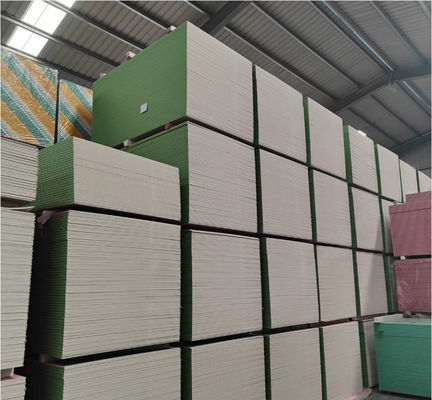
Surface Paper-faced flat surface, commonly green face paper Green surface helps identify moisture resistant board on site.
Edge Type Square edge or tapered edge Tapered edge is often better for smooth joint treatment.
Application Bathroom ceiling, kitchen wall, laundry room, garage, utility room, damp indoor partition Do not use in direct wet zones without checking the full wall system.
Packing Pallet packing with protective covering Important for export orders, humid routes and rainy unloading conditions.
MOQ Usually 1×20GP container Depends on size, thickness, packing and loading plan.
Lead Time Normally about 10–20 days after order confirmation Confirm schedule before arranging shipment and installation.
Correct Process

How to Reduce Risk Before Installation

A simple checking process can prevent many material selection and installation mistakes.

1

Classify the Area

Decide whether the location is dry, damp, direct wet, tiled, ventilated or exposed to rain.

2

Choose Board Type

Use MR gypsum board for damp interiors; check other boards for direct wet or tile backing areas.

3

Confirm Thickness

Match the board thickness to the ceiling, wall, partition and local installation system.

4

Protect the Board

Control packing, storage, joint sealing, coating and ventilation before the project is finished.

Quotation Information Needed

To avoid the wrong material recommendation, buyers should describe the exact area of use. A request like “waterproof gypsum board for bathroom” is not clear enough because a bathroom ceiling and a direct shower wall may need different materials.

Board TypeRoom AreaWater Exposure LevelSizeThicknessEdge TypeQuantityPacking RequestDestination Port

Example: We need moisture resistant gypsum board for bathroom ceilings and laundry room partitions. Size 1220×2440mm, thickness 12mm, tapered edge, one 20GP container. The board will not be used in direct shower walls. Please quote with pallet packing and protective covering.

FAQ

Questions About MR Gypsum Board Mistakes

What is the biggest mistake when using moisture resistant gypsum board?

The biggest mistake is treating it as fully waterproof. It is suitable for damp indoor areas, but not for continuous soaking, outdoor rain exposure or direct wet shower walls without proper system design.

Can it be used in a bathroom?

Yes, especially for bathroom ceilings and protected wall areas. The project still needs correct sealing, finishing and ventilation.

Why is joint sealing important?

Moisture often enters through joints, screw holes, cut edges and damaged paper surfaces. Proper joint treatment helps protect the system.

Should buyers choose the cheapest thickness?

No. Thickness should match ceiling or partition requirements. Choosing only by lowest price may create weak surface performance or installation problems.

Common Mistakes When Using Moisture Resistant Gypsum Board · Green Plasterboard · MR Drywall · Wet Area Installation Guide