|
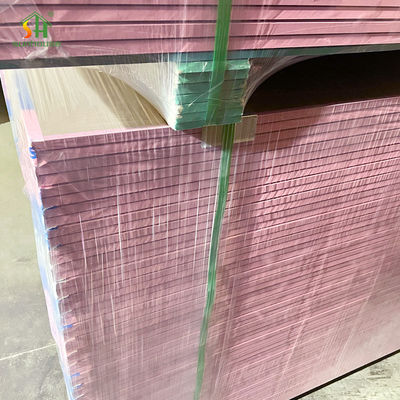
| نام تجاری: | SUNHOUSE |
| مقدار تولیدی: | 500 عدد |
| توانایی تامین: | 3000000 متر / متر در ماه |
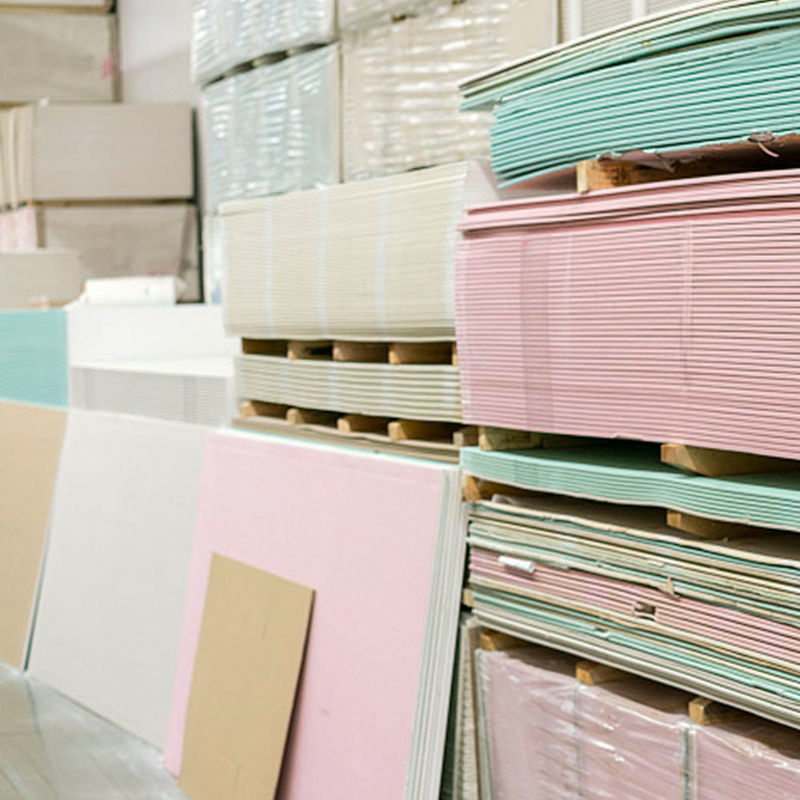
تخته گچی درجه بندی شده در برابر حریق جزء مهمی از سیستم های حفاظت آتش غیرفعال است، اما تخته به تنهایی تعیین نمی کند که آیا دیوار یا سقف به مقاومت 30، 60، 90 یا 120 دقیقه در برابر آتش دست می یابد. خرید قابل اطمینان از خریداران میخواهد که طبقهبندی محصول، عملکرد واکنش به آتش و رتبهبندی کامل آتش مونتاژ را قبل از تأیید مشخصات یا مقایسه قیمتهای عرضهکننده تشخیص دهند.
مشخص کنید که آیا پروژه به ASTM Type X، نوع C اختصاصی، EN 520 Type F یا دیگر بردهای مقاوم در برابر آتش مورد تایید محلی نیاز دارد یا خیر.
به جای تکیه بر نام برد مقاوم در برابر آتش، سیستم کامل دیوار، شفت، سقف یا کف آزمایش شده را تأیید کنید.
برد ارائه شده، ضخامت، قاب و جزئیات نصب را با گزارش تست مربوطه یا سیستم فهرست شده مطابقت دهید.
یک تخته گچی مقاوم در برابر آتش تنها یکی از اجزای یک ساختمان آزمایش شده با درجه آتش سوزی است. دوره نهایی مقاومت در برابر آتش تحت تأثیر نوع و ضخامت تخته، تعداد لایه ها، قاب فلزی یا چوبی، فاصله گل میخ، عایق، الگوی پیچ، عملیات اتصال، جزئیات محیطی و کیفیت نصب است.
یک تامین کننده نباید یک ورق تخته گچی را به عنوان یک مانع آتش کامل 60 دقیقه، 90 دقیقه یا 120 دقیقه توصیف کند، مگر اینکه این ادعا به یک مجموعه آزمایش شده و مستند متصل باشد. زمانی که یک تخته در ساختمانهای مختلف دیوار، سقف یا کف استفاده میشود، ممکن است نتایج متفاوتی به دست آورد.
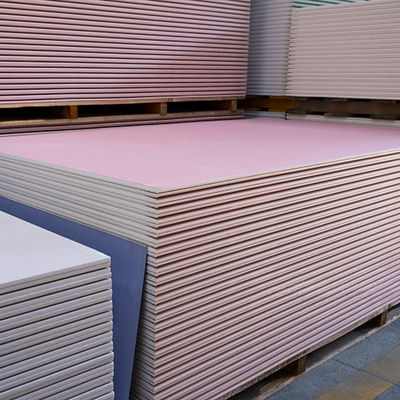
اصطلاحات محصول بین بازارها متفاوت است. خریداران باید قبل از انتخاب محصول تایید کنند که کدام استاندارد در مشخصات معماری نوشته شده است. تخته های قرمز یا صورتی با ظاهری مشابه ممکن است فرمولاسیون، ضخامت و کاربردهای سیستم تایید شده متفاوتی داشته باشند.
| طبقه بندی | استاندارد یا بازار | توضیحات کلی | تمرکز بر تدارکات |
|---|---|---|---|
| تخته گچی نوع X | ASTM C1396 / مشخصات آمریکای شمالی | تخته گچی مقاوم در برابر آتش فرموله شده و آزمایش شده برای برآوردن الزامات نوع X تعریف شده توسط استاندارد محصول قابل اجرا. | ضخامت برد، شناسایی سازنده و UL، GA یا سایر مجموعه های فهرست شده که در آن استفاده می شود را تأیید کنید. |
| تخته گچی نوع C | سیستم های اختصاصی آمریکای شمالی | یک برد اختصاصی مقاوم در برابر آتش که برای ارائه عملکرد بهبود یافته در مجموعههای آزمایش شده خاص توسعه یافته است. | محصولات نوع C به طور خودکار بین تولید کنندگان قابل تعویض نیستند. نام دقیق محصول را در طرح آزمایش شده بررسی کنید. |
| گچ تخته نوع F | EN 520 / مشخصات اروپایی | گچ تخته گچی با انسجام هسته بهبود یافته در دماهای بالا برای استفاده در سیستم های ساختمانی مقاوم در برابر آتش. | نوع برد EN 520، کلاس واکنش به آتش، ضخامت و مدارک تست سیستم پشتیبانی را بررسی کنید. |
| گچ تخته DF را تایپ کنید | EN 520 / مشخصات اروپایی | تخته ای که ویژگی های چگالی کنترل شده را با انسجام هسته بهبود یافته در دماهای بالا ترکیب می کند. | هر حرف طبقه بندی نشان داده شده در بیانیه عملکرد را تأیید کنید و آن را با مشخصات پروژه مطابقت دهید. |
| تخته مقاوم در برابر آتش و رطوبت | محصولات خاص پروژه یا چند عملکردی | یک تخته گچی طراحی شده برای افزایش عملکرد آتش و کاهش جذب آب برای مناطق داخلی مناسب. | هم اسناد سیستم آتش نشانی و هم داده های مقاومت در برابر رطوبت را بررسی کنید. نباید به طور خودکار به عنوان یک تخته بیرونی ضد آب در نظر گرفته شود. |
دو مفهوم مختلف عملکرد آتش اغلب در نقل قول ها و اسناد فنی ظاهر می شوند. آنها باید جداگانه بررسی شوند زیرا یک نتیجه نمی تواند به طور خودکار جایگزین دیگری شود.
| مدت عملکرد | آنچه را ارزیابی می کند | فرمت گزارش گیری معمولی | آنچه خریداران باید بدانند |
|---|---|---|---|
| واکنش به آتش | چگونه یک ماده در اشتعال، گسترش شعله، انتشار گرما یا ایجاد دود در شرایط آزمایشی مشخص کمک می کند. | طبقه بندی مواد یا نتیجه سوزاندن سطح. | رفتار مواد را توصیف می کند اما دوره کامل مقاومت در برابر آتش دیوار یا سقف را ایجاد نمی کند. |
| مقاومت در برابر آتش | چه مدت یک عنصر ساختمانی کامل عملکرد مورد نیاز مانند یکپارچگی، عایق یا عملکرد ساختاری را در طول آزمایش آتش نشانی حفظ می کند. | یک دوره زمانی مانند 30، 60، 90 یا 120 دقیقه. | نتیجه برای مجموعه آزمایش شده، از جمله تخته ها، قاب ها، بست ها، عایق ها، اتصالات و جزئیات ساخت و ساز اعمال می شود. |
یک نقل قول ممکن است یک طبقه بندی غیر قابل احتراق، یک نتیجه شعله سطحی و یک رتبه بندی دیوار دو ساعته را در یک توضیح محصول ترکیب کند. این نتایج ممکن است از روشهای آزمایشی متفاوتی به دست آمده باشند و نباید به گونهای ارائه شوند که گویی عملکرد یکسانی دارند.
گچ حاوی آب ترکیبی شیمیایی در ساختار کریستالی خود است. در هنگام قرار گرفتن در معرض آتش، گرما باعث می شود که این آب به تدریج به عنوان بخار از طریق فرآیندی که معمولاً به عنوان کلسیناسیون شناخته می شود، آزاد شود. این فرآیند انتقال حرارت از طریق برد را به تاخیر می اندازد. محصولات مقاوم در برابر آتش همچنین ممکن است شامل الیاف تقویت کننده و سایر افزودنی ها باشد که به هسته گچ کمک می کند تا برای مدت طولانی تری در دماهای بالا منسجم بماند.
مدت زمان مقاومت در برابر آتش باید از یک سیستم کامل آزمایش شده یا فهرست شده انتخاب شود. تغییر یک جزء ممکن است بر اعتبار و عملکرد طرح اصلی تأثیر بگذارد.
محصول دقیق مقاوم در برابر آتش، ضخامت تخته و نام سازنده باید با سیستم تایید شده مطابقت داشته باشد.
سیستم های تک لایه و دو لایه محافظت یکسانی را ارائه نمی دهند. کمیت لایه و ترتیب اتصال از جزئیات طراحی حیاتی هستند.
جنس گل میخ، عرض، گیج، فاصله و ارتفاع مجاز دیوار بر پایداری پارتیشن کامل تأثیر می گذارد.
نوع پیچ، طول و مراکز ثابت باید از طراحی سیستم پیروی کنند تا از جدا شدن زودهنگام آستر برد جلوگیری شود.
نوع پشم معدنی، چگالی، ضخامت و موقعیت نصب ممکن است بخشی از آتش و عملکرد آکوستیک آزمایش شده را تشکیل دهد.
اتصالات تخته، شکاف های محیطی، دهانه های سرویس، جعبه های الکتریکی و نفوذ لوله ها نیاز به جزئیات آزمایش شده سازگار دارند.
اطلاعات زیر به عنوان یک چارچوب تدارکاتی به جای جایگزینی برای یک طرح آزمایش شده در نظر گرفته شده است. پیکربندی نهایی باید در برابر نقشه های پروژه، کد ساختمان محلی و مستندات آزمایش آتش سوزی تایید شده تایید شود.
افزودن یک لایه دیگر از تخته گچی ممکن است عملکرد آتش را بهبود بخشد، اما خریداران نباید تنها با اضافه کردن دقیقه با یکدیگر امتیاز جدیدی را محاسبه کنند. یک لایه 30 دقیقه ای به اضافه یک لایه 30 دقیقه ای دیگر به طور خودکار یک سیستم 60 دقیقه ای تایید شده ایجاد نمی کند.
| مورد تدارکات | اطلاعات توصیه شده برای تایید |
|---|---|
| استاندارد بازار قابل اجرا | ASTM C1396، EN 520 یا استاندارد محصول ملی مربوطه که توسط بازار مقصد مشخص شده است. |
| طبقه بندی محصول | نوع X، نوع C اختصاصی، نوع F، نوع DF یا طبقهبندی کاملاً مستند دیگری که مورد نیاز پروژه است. |
| گزینه های ضخامت معمولی | مشخصات متداول مقاوم در برابر آتش شامل 12.5 میلی متر، 15 میلی متر و 15.9 میلی متر، مشروط به الزامات بازار و طراحی مونتاژ آزمایش شده است. |
| اندازه تخته معمولی | 1200 × 2400 میلی متر، 1220 × 2440 میلی متر و سایر طول های خاص پروژه، بسته به نیازهای تولید و بارگیری کانتینر. |
| نوع لبه | لبه مخروطی، لبه مربع یا پروفیل دیگری که با روش درمان و نصب مفصل مشخص شده سازگار است. |
| رتبه بندی کامل سیستم | مجموعه دیوار، سقف، شفت یا کف آزمایش شده که دوره مقاومت در برابر آتش و جزئیات ساخت و ساز مورد نیاز را نشان می دهد. |
| شناسایی هیئت مدیره | چاپ نام محصول، طبقه بندی، تاریخ ساخت، کد دسته ای و اطلاعات سازنده برای بازرسی سایت و قابلیت ردیابی. |
| اسناد با کیفیت | برگه اطلاعات محصول، گزارش آزمایش، اظهارنامه یا گواهی مورد نیاز بازار، به علاوه سوابق بازرسی دسته ای در صورت لزوم. |
یک گزارش تست باید فراتر از نتیجه صفحه اول آن بررسی شود. خریداران و تیم های پروژه باید تأیید کنند که این گزارش از محصول واقعی و ساخت و ساز ارائه شده پشتیبانی می کند.
| ریسک خرید | پیامد بالقوه | راه حل پیشنهادی |
|---|---|---|
| رتبه بندی ادعا شده برای هیئت مدیره به تنهایی | ممکن است محصول پس از نصب به مدت زمان آتش سوزی لازم نرسد. | نقشه مونتاژ و نصب آزمایش شده کامل را درخواست کنید. |
| محصول مختلف پس از تایید جایگزین می شود | آزمایش یا فهرست اصلی ممکن است دیگر برای ساخت و ساز اعمال نشود. | سازنده، کد محصول و طبقه بندی را در سفارش خرید قفل کنید. |
| کاهش ضخامت به هزینه کمتر | ممکن است سیستم نصب شده با طرح تایید شده مطابقت نداشته باشد. | ضخامت یا مقدار لایه را بدون تایید فنی تغییر ندهید. |
| گزارش تست ناقص ارائه شد | نمونه آزمایشی و برنامه های کاربردی مجاز را نمی توان تأیید کرد. | گزارش کامل یا فهرست سیستمی مستقل قابل تأیید را درخواست کنید. |
| لوازم جانبی نصب مشخص نشده است | پیچ ها، ناودانی ها، درمان مفصل یا عایق نادرست ممکن است عملکرد را کاهش دهد. | قطعات سازگار را طبق سیستم تست شده خریداری و نصب کنید. |
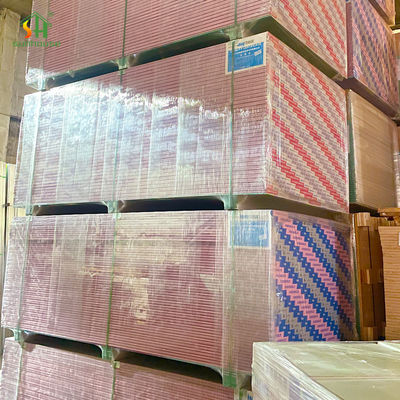
| آسیب دیدن تخته هنگام حمل و نقل | لبه های شکسته و تخته های مرطوب می توانند بر کیفیت نصب و عملکرد مواد تأثیر بگذارند. | تقویت پالت، حفاظت لبه، مهاربندی ظرف و ذخیره سازی خشک را تأیید کنید. |
این بستگی به مجموعه آزمایش شده کامل دارد. پاسخ را نمی توان تنها از روی ضخامت تخته تعیین کرد. قاب بندی، موقعیت تخته، جزئیات تثبیت، عایق و عملیات مشترک باید با یک سیستم تایید شده مطابقت داشته باشند.
به صورت خودکار نیست. نوع C عموماً یک محصول اختصاصی پیشرفته است و مجموعه های آزمایش شده ممکن است سازنده و نام محصول دقیق را مشخص کنند. هر گونه جایگزینی باید توسط اسناد فنی پذیرفته شده پشتیبانی شود.
نه. طبقه بندی غیر قابل احتراق یا واکنش به آتش رفتار مواد را توصیف می کند. درجه بندی مقاومت در برابر آتش برای یک عنصر ساختمانی کامل که برای مدت زمان مشخصی آزمایش شده است اعمال می شود.
تخته استاندارد مقاوم در برابر آتش معمولاً برای کاربردهای داخلی خشک در نظر گرفته شده است. مکان های مرطوب ممکن است به یک محصول ترکیبی مقاوم در برابر آتش و رطوبت نیاز داشته باشند. کاربردهای مستقیم آب و بیرونی نیاز به یک سیستم بستر تایید شده جداگانه دارد.
این جزئیات نباید بدون تأیید مجاز بودن اصلاح توسط سیستم آزمایش شده، فهرست یا ارزیابی مهندسی تایید شده تغییر یابد.
قبل از امضای قرارداد خرید، استاندارد مقصد، طبقه بندی برد، ضخامت، ابعاد، مونتاژ تایید شده، شناسه چاپی، روش بسته بندی، مدارک تست و تعویض قطعات مجاز را تایید کنید.
مدت زمان آتش سوزی مورد نیاز، ساختار دیوار یا سقف، استاندارد مقصد، ابعاد تخته و کمیت پروژه را ارائه دهید. سپس مشخصات محصول را می توان با اسناد فنی مناسب و راه حل بسته بندی صادراتی مطابقت داد.

 english
 français
 Deutsch
 Italiano
 Русский
 Español
 português
 Nederlandse
 ελληνικά
 日本語
日本語
 한국
한국
 العربية
 हिन्दी
 Türkçe
 indonesia
 tiếng Việt
 ไทย
ไทย
 বাংলা
বাংলা
 فارسی
فارسی
 polski


