|

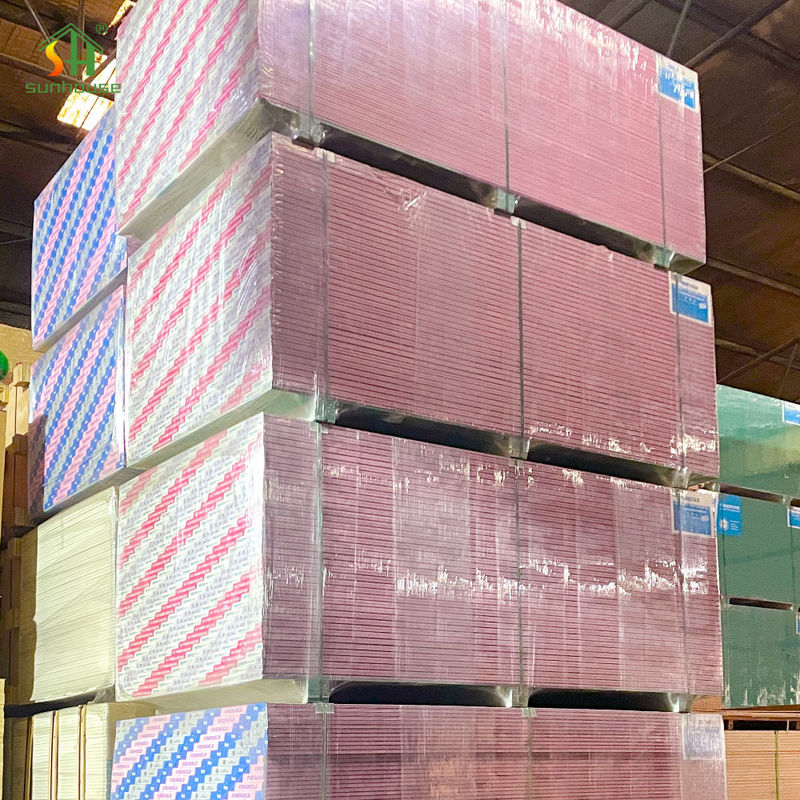
| نام تجاری: | SUNHOUSE |
| مقدار تولیدی: | 500 عدد |
| توانایی تامین: | 3000000 متر / متر در ماه |
تهیه تخته گچی با درجه آتش سوزی به چیزی بیش از جمع آوری گواهی با آرم آزمایشگاه نیاز دارد. خریداران باید انطباق محصول، طبقه بندی واکنش به آتش، مقاومت کامل در برابر آتش مونتاژ و گواهی بازار را تشخیص دهند. هر سند به یک سوال فنی متفاوت پاسخ می دهد و هیچ کدام نباید خارج از محصول، کارخانه، روش آزمایش یا ساخت و ساز تحت پوشش آن استفاده شود.
تأیید می کند که آیا تخته گچی با مشخصات محصول قابل اجرا، مانند ASTM C1396 یا EN 520 مطابقت دارد یا خیر.
رفتار مواد مانند گسترش شعله، توسعه دود یا طبقه بندی اروپایی واکنش به آتش را توصیف می کند.
دوره مقاومت در برابر آتش را برای ساخت دیوار، سقف، کف یا شفت کامل آزمایش شده نشان می دهد.
فهرست، علامت گذاری، اعلامیه یا الزامات انطباق قابل اعمال در بازار مقصد را تأیید می کند.
یک ارسال فنی حرفه ای معمولاً حاوی چندین سند به جای یک گواهی جهانی آتش سوزی است. خریدار باید ابتدا مشخص کند که هر سند چه چیزی را ثابت می کند و سپس تأیید کند که آیا آن در مورد تابلو و سیستم پروژه دقیق اعمال می شود یا خیر.
این سطح تخته گچی را به عنوان یک محصول تولیدی ارزیابی می کند. ممکن است ابعاد، مقاومت خمشی، خواص لبه، عملکرد هسته، ویژگی های مرتبط با آب، الزامات مقاوم در برابر آتش نوع X یا طبقه بندی برد EN 520 را پوشش دهد. به طور خودکار رتبه بندی دیوار یک ساعته یا دو ساعته را ثابت نمی کند.
این سطح نحوه رفتار مواد را هنگام قرار گرفتن در معرض آتش در شرایط آزمایشی مشخص توصیف می کند. نتایج معمول ممکن است شامل گسترش شعله، توسعه دود یا کلاس واکنش اروپایی به آتش باشد. این نتایج نباید به عنوان درجه بندی مقاومت در برابر آتش ساعتی ارائه شود.
این سطح یک مجموعه کامل دیوار، پارتیشن، سقف، کف-سقف، سقف-سقف، شفت یا مجموعه حفاظت سازه را ارزیابی می کند. این گزارش لایههای تخته، قاببندی، اتصال دهندهها، عایقها، اتصالات، جهت آزمایش و جزئیات ساخت و ساز را که دوره مقاومت اعلام شده در برابر آتش را تولید کردهاند، شناسایی میکند.
این سطح ممکن است شامل فهرست UL یا Intertek قابل جستجو، اطلاعات نشانگذاری CE، اعلامیه عملکرد، گواهی ثبات یا انطباق در صورت لزوم، سوابق کنترل تولید کارخانه و سایر اسناد مورد نیاز بازار مقصد باشد.
اسناد ASTM C1396 یا EN 520 می توانند از طبقه بندی محصول و انطباق با تولید پشتیبانی کنند. ادعای مقاومت در برابر آتش 60 دقیقه، 90 دقیقه یا 120 دقیقه باید به یک ساخت و ساز کامل آزمایش شده یا تایید شده متصل شود. گزارش هیئت مدیره به تنهایی نمی تواند رتبه بندی ساعتی یک دیوار یا سقف را تعیین کند.
| استاندارد یا سند | هدف اولیه | نتیجه معمولی | محدودیت تدارکات |
|---|---|---|---|
| ASTM C1396/C1396M | مشخصات محصول که دسته های مختلف تخته گچی را پوشش می دهد، از جمله الزامات قابل اجرا تخته مقاوم در برابر آتش. | داده های مطابقت محصول و طبقه بندی برد. | به طور مستقل رتبه بندی دیوار یک ساعته یا دو ساعته را تعیین نمی کند. |
| ASTM E119 / UL 263 | آزمایش آتش نشانی ساختمان کامل و مجموعه مصالح. | نتیجه مقاومت در برابر آتش مبتنی بر زمان برای یک مجموعه آزمایش شده. | نتیجه در مورد ساخت و ساز آزمایش شده یا مجاز صدق می کند، نه هر دیواری که از یک تخته گچی استفاده می کند. |
| ASTM E84 / UL 723 | ارزیابی ویژگی های سوزاندن سطحی در شرایط مشخص. | شعله گسترش یافت و دود شاخص هایی را ایجاد کرد. | نتایج سوزاندن سطحی با مقاومت ساعتی آتش برابر نیست. |
| EN 520 | الزامات و روش های آزمایش برای گچ تخته های گچی مورد استفاده در ساخت و ساز را تعریف می کند. | نوع تابلو، مشخصات اعلام شده و عملکرد محصول. | انطباق محصول با استاندارد EN 520 به خودی خود دوره مقاومت در برابر آتش یک پارتیشن کامل را ثابت نمی کند. |
| EN 13501-1 | طبقه بندی با استفاده از داده های آزمایش واکنش به آتش | یک کلاس اروپایی واکنش به آتش. | نباید با طبقه بندی مقاومت در برابر آتش عنصر ساختمان کامل اشتباه گرفته شود. |
| EN 13501-2 | طبقه بندی با استفاده از داده های مقاومت در برابر آتش و آزمایش های مربوط به عناصر ساختمانی قابل اجرا. | طبقه بندی مقاومت در برابر آتش بر اساس معیارهای عملکرد مربوطه. | طبقه بندی باید با عنصر آزمایش شده و زمینه کاربرد مجاز آن مطابقت داشته باشد. |
| EN 1364-1 | آزمایش مقاومت در برابر آتش دیوارهای غیر باربر. | عملکرد نمونه آزمایش کامل دیوار غیر باربر. | تغییرات در ارتفاع دیوار، قاب، ترتیب تخته یا جهت آزمایش باید در قوانین کاربردی مجاز باقی بماند. |
| EN 1364-2 | تست مقاومت در برابر آتش سقف های غیر باربر. | اجرای کامل ساخت سقف. | نتیجه را نمی توان به طور خودکار به یک سیستم تعلیق دیگر یا ساخت سقف منتقل کرد. |
| ISO/IEC 17025 | الزامات صلاحیت برای آزمایشگاه های آزمایش و کالیبراسیون. | اعتبار آزمایشگاهی که یک حوزه فنی مشخص را پوشش می دهد. | لوگوی اعتباربخشی به تنهایی کافی نیست. روش آزمایش مربوطه باید در محدوده معتبر آزمایشگاه گنجانده شود. |
واژههای گزارش آزمون، گواهی، طبقهبندی، فهرستبندی و اعلامیه اغلب به جای هم در نقل قول استفاده میشوند. آنها اشکال مختلفی از شواهد فنی را نشان می دهند.
| نوع سند | آنچه به طور معمول نشان می دهد | خریداران چگونه باید از آن استفاده کنند |
|---|---|---|
| گزارش تست آزمایشگاهی | نمونه آزمایش، روش، شرطی سازی، مشاهدات آزمایشی، داده های اندازه گیری شده، نتایج و محدودیت های گزارش. | تأیید کنید که نمونه آزمایش شده و ساختار با برد و سیستم خریداری شده مطابقت دارد. |
| گزارش طبقه بندی | طبقه بندی رسمی برگرفته از یک یا چند گزارش آزمون قابل اجرا و قوانین طبقه بندی. | طبقه بندی، دامنه کاربرد و مراجع گزارش پشتیبانی را مرور کنید. |
| گواهی یا فهرست | محصول یا سیستمی که توسط یک نهاد صدور گواهینامه به رسمیت شناخته شده و تحت یک برنامه صدور گواهینامه تعریف شده منتشر شده است. | به جای تکیه بر PDF ارائه شده توسط فروشنده، فهرست فعلی را در پایگاه داده رسمی سازمان صدور گواهی تأیید کنید. |
| گواهی انطباق | بیانیه ای مبنی بر اینکه یک محصول، کارخانه یا سیستم شناسایی شده با معیارهای گواهی مشخص شده مطابقت دارد. | شماره گواهی، محدوده، کارخانه، مدل محصول، وضعیت صدور و مرجع صدور گواهی را بررسی کنید. |
| اعلامیه عملکرد | اعلامیه سازنده عملکرد محصول شناسایی شده تحت چارچوب قابل اجرا محصول ساختمانی اروپا. | نوع محصول، کاربرد مورد نظر، مشخصات هماهنگ و مشخصات ضروری اعلام شده را مطابقت دهید. |
| اطلاعات علامت گذاری CE | شناسایی محصول و اطلاعات عملکرد اعلام شده مرتبط با استاندارد هماهنگ یا مسیر ارزیابی قابل اجرا. | از آن همراه با اعلامیه عملکرد استفاده کنید. علامت CE را به تنهایی به عنوان گواهی کامل سیستم مقاومت در برابر آتش تفسیر نکنید. |
| گواهی کیفیت کارخانه | اطلاعات سیستم مدیریت یا کنترل تولید کارخانه. | از آن به عنوان شواهد کنترل تولید استفاده کنید، نه به عنوان جایگزینی برای آزمایش آتش سوزی محصول یا مجموعه. |
پروژههای آمریکای شمالی معمولاً انطباق محصول تخته گچی را از مونتاژ دارای رتبه آتش تأیید شده جدا میکنند. خریداران باید هر دو مجموعه اسناد را درخواست کنند و تأیید کنند که تابلوی دقیق در طرح انتخابی مجاز است.
وجود لوگوی UL، ETL یا Warnock Hersey در بروشور یک تامین کننده، بررسی فنی را کامل نمی کند. خریداران باید محصول یا مجموعه را در دایرکتوری رسمی مربوطه قرار دهند و نام شرکت، نام محصول، شماره طرح، وضعیت گواهینامه و ساخت و ساز مجاز را تأیید کنند.
برای خرید در بازار اروپا، مطابقت محصول و مستندات CE باید جدا از طبقه بندی مقاومت در برابر آتش سیستم کامل دیوار یا سقف بررسی شود.
نشان CE مربوط به عملکرد اعلام شده محصول تحت مسیر ارزیابی اروپایی قابل اجرا است. مقاومت در برابر آتش یک دیوار یا سقف تخته گچی کامل همچنان باید توسط تست سیستم مربوطه و مستندات طبقه بندی پشتیبانی شود. علامت CE نباید برای ادعای رتبه مونتاژی که در اسناد سیستم پشتیبانی وجود ندارد استفاده شود.
یک نام آزمایشگاهی شناخته شده می تواند اعتماد را بهبود بخشد، اما خریداران باید صلاحیت فنی آزمایشگاه را برای روش آزمایش دقیق به جای تکیه بر شناخت برند یا نماد اعتبار تأیید کنند.
نام و آدرس در گزارش آزمون باید با سازمان معتبر نشان داده شده در سوابق رسمی سازمان اعتبارسنجی مطابقت داشته باشد.
تأیید کنید که اعتبار آزمایشگاه در زمان انجام آزمایش فعال بوده و به حالت تعلیق در نیامده یا لغو نشده است.
روش دقیق آزمایش آتش باید در محدوده فنی معتبر آزمایشگاه در جایی که آزمایش معتبر مورد نیاز است ظاهر شود.
شماره گزارش، تاریخ صدور، شماره تجدید نظر، شماره صفحه، امضای مجاز و روش تأیید آزمایشگاهی را بررسی کنید.
برخی از گزارشها شامل آزمایشهایی خارج از محدوده معتبر هستند. خریداران باید تشخیص دهند که کدام نتایج تحت پوشش اعتبارسنجی قرار می گیرند و کدام ها نیستند.
در صورت لزوم، بررسی کنید که آزمایش در یک مکان آزمایشگاهی انجام شده است که در محدوده اعتبار یا گواهینامه شناخته شده است.
اعتبار برای یک آزمایشگاه مشخص و دامنه فعالیت ها اعمال می شود. یک آزمایشگاه ممکن است برای آزمایش های مواد خاص اعتبار داشته باشد اما برای آزمایش مقاومت در برابر آتش در مقیاس کامل اعتبار ندارد. همیشه دامنه معتبر را بررسی کنید و تأیید کنید که شامل روش قابل اجرا است.
ساختار کامل نمونه معمولاً مهمتر از نتیجه چاپ شده در صفحه اول است. هر جزء حیاتی باید با مجموعه پروژه پیشنهادی مقایسه شود.
| بخش گزارش | اطلاعات برای تأیید | در صورت نادیده گرفتن خطر |
|---|---|---|
| جهت گیری آزمون | دیوار عمودی، سقف افقی، کف-سقف، باربر یا غیر باربر. | یک نتیجه ممکن است به اشتباه روی یک عنصر ساختمانی دیگر اعمال شود. |
| جهت قرار گرفتن در معرض آتش | نوردهی از یک طرف، هر طرف، پایین یا جهت مشخص دیگر. | یک نتیجه یک جهته ممکن است به اشتباه به عنوان متقارن تلقی شود. |
| تولید کننده تخته | سازنده دقیق، نام محصول و نام محصول ذکر شده. | یک جایگزین تایید نشده ممکن است ساخت و ساز مستند را باطل کند. |
| لایه های تخته | تعداد لایه ها، ضخامت، جهت و آرایش مفاصل پلکانی. | کاهش لایه ها یا تغییر موقعیت مفصل ممکن است عملکرد سیستم را کاهش دهد. |
| سیستم قاب بندی | مواد گل میخ، سنج، عمق، فاصله، مسیر و جزئیات اتصال. | قاب بندی های مختلف ممکن است پایداری، انحراف و انتقال حرارت را تغییر دهد. |
| اتصال دهنده ها | نوع پیچ، طول، فاصله، فاصله لبه و ثابت کردن لایه خاص. | بست های نادرست می تواند باعث جدا شدن زودرس تخته شود. |
| عایق | جنس، تراکم، ضخامت، موقعیت و اختیاری یا اجباری بودن آن. | تغییر عایق حفره ممکن است بر عملکرد آتش و آکوستیک تأثیر بگذارد. |
| درمان مفاصل | نوار اتصال، ترکیب، مهر و موم محیطی و درمان سرهای بست. | مفاصل باز می توانند مسیرهای اولیه گرما و شعله ایجاد کنند. |
| حداکثر ابعاد | ارتفاع، عرض، دهانه و عمق حفره آزمایش شده یا مجاز. | ساخت و ساز بلندتر یا عریض تر ممکن است خارج از محدوده تایید شده باشد. |
| معیارهای عملکرد | یکپارچگی، عایق، عملکرد ساختاری، افزایش دما و سایر معیارهای قابل اجرا. | زمان گزارش شده ممکن است بدون شناسایی معیارهایی که به دست آمده اند، اشتباه درک شود. |
| زمینه کاربرد | تغییرات و محدودیت های مجاز برای تغییرات از نمونه آزمایش شده. | تغییرات تایید نشده ممکن است به اشتباه فرض شود که رتبه را حفظ می کند. |
یک گزارش تنها زمانی باید تایید شود که تابلوی عرضه شده و ساخت و ساز پیشنهادی با مونتاژ آزمایش شده یا مجاز مطابقت داشته باشد. ظاهر مشابه، ضخامت برابر یا بیانیه تامین کننده مبنی بر اینکه یک تخته "بهتر" است به طور خودکار آن را به یک جایگزین تایید شده تبدیل نمی کند.
خریداران اغلب می پرسند که گزارش تست آتش سوزی چند سال معتبر است. هیچ دوره انقضای جهانی وجود ندارد که برای هر گزارش آزمایشگاهی، بازار، برنامه صدور گواهینامه یا پروژه اعمال شود.
یک گزارش آزمایش تاریخی عملکرد نمونه آزمایش شده را ثبت می کند. فهرست گواهینامه ممکن است وضعیت فعلی، معلق، لغو یا غیرفعال داشته باشد. پذیرش پروژه همچنین به کدهای فعلی، نسخه های استاندارد، تغییرات محصول و مرجع بررسی کننده ارسال بستگی دارد.
جزئیات ساخت و ساز، محدودیت ها و اطلاعات نمونه قابل بررسی نیستند.
این گزارش ممکن است متعلق به شرکت، کارخانه یا محصول غیرمرتبط دیگری باشد.
یک گزارش 15 میلی متری ممکن است بدون تأیید مستند از برد 12 میلی متری متفاوت پشتیبانی نکند.
اتصال گزارش به برد و برچسب گذاری ارائه شده دشوار می شود.
سند ممکن است تغییر یافته، ناقص یا خارج از سیستم آزمایشگاه باشد.
آزمایشگاه ممکن است دارای اعتبار باشد، اما نه برای آزمایش آتش مربوطه.
طبقه بندی تابلو به اشتباه به عنوان رتبه بندی کامل دیوار ساعتی ارائه شده است.
عملکرد اعلام شده و شناسایی محصول را نمی توان به درستی بررسی کرد.
هیچ فهرست رسمی علامت را به محصول یا کارخانه تامین کننده متصل نمی کند.
خریدار نمی تواند قاب، لایه ها یا الزامات نصب تایید شده را شناسایی کند.
فقدان شماره صفحه، فونت های ناسازگار یا جداول تغییر یافته ممکن است نشان دهنده تغییر باشد.
ممکن است عبارات کلی تخته گچی با درجه آتش سوزی دقیق خریداری شده را مشخص نکند.
کشور، کد ساختمان، استاندارد محصول و مسیر تایید پروژه را شناسایی کنید.
طبقه بندی محصول جداگانه، واکنش به آتش، مقاومت در برابر آتش، مقاومت در برابر رطوبت، عملکرد صوتی و الزامات ساختاری.
گزارش های کامل، طبقه بندی ها، فهرست ها، اعلامیه ها، برگه های اطلاعات فنی و جزئیات نصب را دریافت کنید.
نام آزمایشگاه قانونی، وضعیت اعتبارسنجی و دامنه روش آزمایش را تأیید کنید.
برای محصول و مجموعه ای که در آن فهرست مورد نیاز است، فهرست راهنمای رسمی سازمان صدور گواهی را جستجو کنید.
سازنده، کارخانه، نام محصول، ضخامت، نوع لبه و شناسایی برد را مقایسه کنید.
چارچوب، لایه ها، پیچ ها، عایق ها، اتصالات، ابعاد و جهت قرار گرفتن در معرض آتش را بررسی کنید.
تأیید کنید که آیا تغییرات پیشنهادی در حوزه کاربرد مستقیم یا گسترده است.
اطلاعات سازنده، محصول، گزارش و مونتاژ تایید شده را به سفارش خرید اضافه کنید.
چاپ لبه تخته، ابعاد، شماره دسته، بسته بندی و اسناد پشتیبان را با ارسال تایید شده مقایسه کنید.
شماره ASTM C1396 از انطباق محصول تخته گچی پشتیبانی می کند. درجه مقاومت در برابر حریق یک ساعته باید به یک مجموعه کامل آزمایش شده یا تایید شده با استفاده از روش مقاومت در برابر آتش قابل اجرا متصل شود.
شماره ASTM E84 به ویژگی های سوزاندن سطحی مانند انتشار شعله و شاخص های توسعه یافته دود می پردازد. مقاومت ساعتی یک مجموعه دیوار، سقف یا کف را در برابر آتش نشان نمی دهد.
علامت CE نشان می دهد که عملکرد محصول اعلام شده در مسیر اروپایی قابل اجرا ارزیابی شده است. خریداران باید اعلامیه عملکرد و مستندات مقاومت در برابر آتش سیستم را جداگانه بررسی کنند.
نه مگر اینکه مستندات رسمی نشان دهد که محصول عرضه شده تحت پوشش گزارش، طبقه بندی یا حوزه گواهی تایید شده است. ترکیب یا ظاهر مشابه کافی نیست.
نه لزوما. گزارشهای آزمایشگاهی و فهرستهای گواهینامه از قوانین اعتبار متفاوتی پیروی میکنند. خریداران باید تغییرات محصول، نسخههای استاندارد، وضعیت فهرست و الزامات پذیرش پروژه را بررسی کنند.
نام سازمان به تنهایی پذیرش پروژه را تضمین نمی کند. بررسی آزمایشگاه خاص، محدوده معتبر، روش آزمایش، هویت محصول، اصالت گزارش و الزامات بازار مقصد.
به صورت خودکار نیست. ضخامت آزمایش شده و نام محصول باید مواد عرضه شده را پوشش دهد، یا یک طبقه بندی، توسعه یا ارزیابی فنی پذیرفته شده باید تفاوت را مجاز کند.
یک کپی دیجیتال زمانی قابل استفاده است که کامل و قابل تایید باشد. شماره گزارش، بازبینی، تعداد صفحات، امضای مجاز و پایگاه داده آزمایشگاه یا گواهی را در صورت وجود بررسی کنید.
بستگی به تصمیمی دارد که گرفته می شود. استانداردهای محصول انطباق تخته را تأیید می کند، در حالی که مونتاژ کامل آزمایش شده یا تأیید شده مقاومت ساعتی دیوار یا سقف نصب شده در برابر آتش را کنترل می کند.
استاندارد محصول، هویت دقیق برد، مونتاژ کامل، صلاحیت آزمایشگاهی، وضعیت فهرست، اسناد بازار مقصد، مشخصات بسته بندی و الزامات قرارداد را قبل از تولید انبوه تأیید کنید.
کشور مقصد، دوره مقاومت در برابر آتش مورد نیاز، مونتاژ پروژه، طبقه بندی برد، ضخامت و مقدار سفارش را ارائه دهید. گزارش محصول، مستندات کامل سیستم، وضعیت گواهینامه و بسته انطباق صادرات می تواند قبل از تولید انبوه بررسی شود.

 english
 français
 Deutsch
 Italiano
 Русский
 Español
 português
 Nederlandse
 ελληνικά
 日本語
日本語
 한국
한국
 العربية
 हिन्दी
 Türkçe
 indonesia
 tiếng Việt
 ไทย
ไทย
 বাংলা
বাংলা
 فارسی
فارسی
 polski


