|
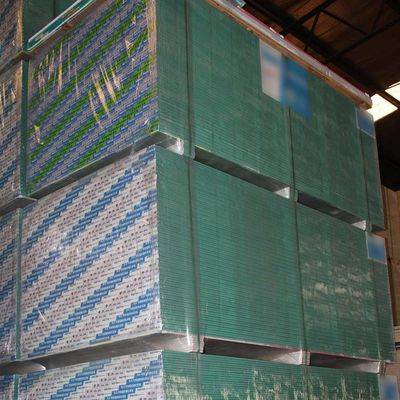
| نام تجاری: | SUNHOUSE |
| شماره مدل: | 1220x244m-12mm |
| مقدار تولیدی: | 800 |
| شرایط پرداخت: | L/C، T/T |
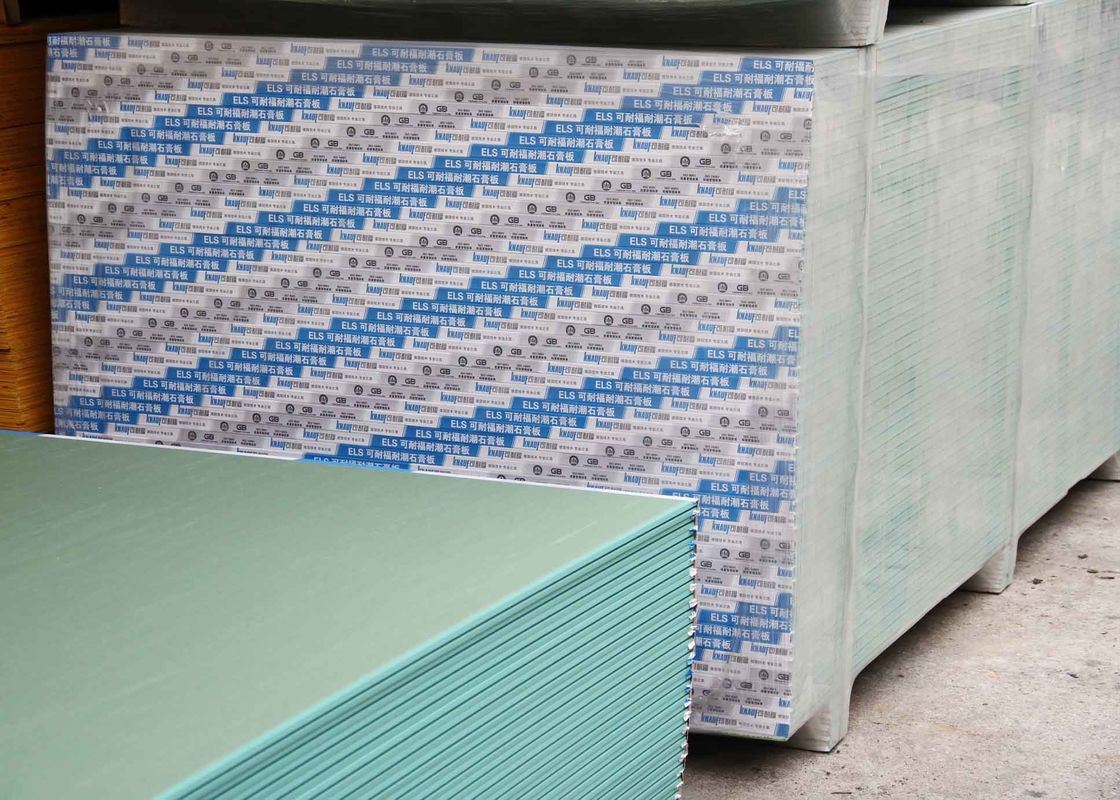
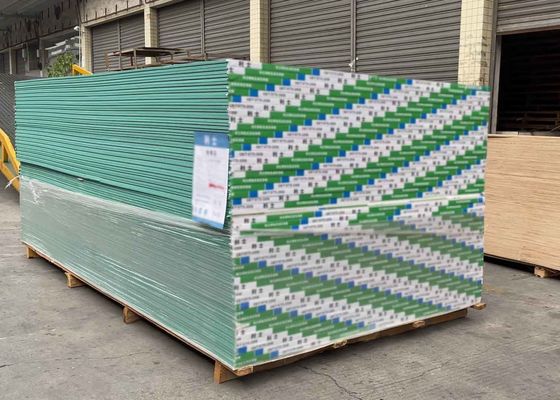
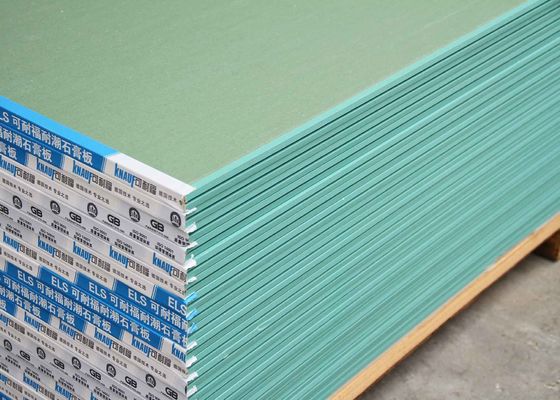
تخته گچی مقاوم در برابر رطوبت برای مکان های داخلی طراحی شده است که احتمال رطوبت، تراکم یا پاشیدن گاه به گاه آب بیشتر از اتاق های خشک معمولی است. این به طور خودکار ضد آب نیست و نباید فقط به دلیل سبز بودن کاغذ روبرو انتخاب شود. خرید صحیح از خریداران میخواهد که قرار گرفتن در معرض آب را طبقهبندی کنند، استاندارد محصول قابل اجرا را تأیید کنند، سیستم کامل دیوار یا سقف را بررسی کنند و تعیین کنند که آیا غشای عایق رطوبتی جداگانه مورد نیاز است یا خیر.
محصولات مناسب می توانند عملکرد بهتری را در اتاق های داخلی مرطوب در مقایسه با تخته دیواری گچی استاندارد ارائه دهند.
Some boards may be used where occasional splashing is expected, subject to the product and system instructions.
آب مستقیم مستمر نیاز به یک بستر مرطوب و سیستم ضد آب دارد.
تخته، قاب، اتصالات، غشاء، پایان، تهویه و استفاده از اتاق باید با هم بررسی شوند.
تخته گچی مقاوم در برابر رطوبت برای کاهش جذب آب و بهبود عملکرد در شرایط داخلی مرطوب فرموله شده است. بسته به محصول، این ممکن است شامل یک هسته گچ تصفیه شده، مواد روکش مقاوم در برابر رطوبت، اجزای مقاوم در برابر قالب یا ترکیبی از این ویژگی ها باشد. این درمان تحمل رطوبت را بهبود می بخشد اما پانل را به یک ورق دائمی ضد آب تبدیل نمی کند.
یک پانل مقاوم در برابر رطوبت ممکن است یک لایه از یک دیوار حمام یا کاشی را تشکیل دهد، اما نباید انتظار داشت که به خودی خود مانع از نفوذ مداوم آب شود. مناطقی که آب مستقیم دارند ممکن است به غشای تایید شده، اتصالات مهر و موم شده، چسب کاشی سازگار، نفوذهای محافظت شده و بستری نیاز داشته باشند که به طور خاص برای قرار گرفتن در معرض مورد نظر مجاز است.
| مدت عملکرد | معنی کلی | به طور خودکار به چه معناست | تایید خریدار |
|---|---|---|---|
| مقاوم در برابر رطوبت | کاهش حساسیت به رطوبت و قرار گرفتن در معرض رطوبت محدود در مقایسه با تخته گچی استاندارد داخلی. | به طور خودکار اجازه تماس دائمی با آب، قرار گرفتن در معرض بیرونی یا استفاده در زیر آب را نمی دهد. | طبقه بندی محصول، داده های جذب آب، بیانیه استفاده در نظر گرفته شده و دستورالعمل های نصب را مرور کنید. |
| مقاوم در برابر آب | توانایی بهبود یافته برای مقاومت در برابر جذب آب تحت شرایط تست محصول تعریف شده. | این بدان معنا نیست که آب نمی تواند از درزها، لبه های بریده شده، نفوذها یا مناطق آسیب دیده عبور کند. | استاندارد آزمون، شرایط نمونه، معیارهای پذیرش و کاربرد مجاز را تأیید کنید. |
| مقاوم در برابر قالب | این محصول برای کاهش رشد کپک در شرایط آزمایشگاهی مشخص طراحی یا آزمایش شده است. | از ایجاد کپک در جایی که نشت، تراکم، کثیفی و رطوبت طولانی مدت کنترل نشده باقی می ماند، جلوگیری نمی کند. | تست دقیق قالب، مقیاس رتبه بندی، سطح محصول و محدودیت های تست را بررسی کنید. |
| ضد آب | یک لایه یا سیستم کامل که برای جلوگیری از عبور آب به ساختار حساس به رطوبت طراحی شده است. | این عبارت نباید به تخته گچی معمولی مقاوم در برابر رطوبت بدون اسناد پشتیبانی خاص اختصاص داده شود. | غشا، اتصالات، گوشه ها، زهکشی، نفوذ و ضمانت سیستم را تایید کنید. |
تخته صحیح باید بر اساس نوردهی واقعی به جای نام کلی اتاق انتخاب شود. یک حمام می تواند شامل یک دیوار روشویی نسبتاً خشک، یک سقف مرطوب و یک محفظه دوش با اسپری مستقیم باشد که به سه روش ساخت متفاوت نیاز دارد.
تخته گچی مقاوم در برابر رطوبت معمولاً برای مناطق داخلی با رطوبت بالا یا پاشیدن گاه به گاه که سطح می تواند خشک شود و در معرض آب مداوم قرار نگیرد در نظر گرفته می شود.
برخی از تخته های مقاوم در برابر رطوبت توسط سازندگان آنها به عنوان بستر کاشی در مناطق مرطوب مورد تایید قرار می گیرند. ساخت و ساز کامل ممکن است به یک سیستم مخزن یا ضد آب، نفوذهای مهر و موم شده و مواد نصب کاشی سازگار نیاز داشته باشد.
تخته گچی استاندارد مقاوم در برابر رطوبت روی کاغذ نباید به طور پیش فرض برای محیط های مرطوب، بسیار متراکم، زیر آب یا در معرض آب و هوا انتخاب شود.
| برنامه | نوردهی معمولی | موقعیت تخته گچی مقاوم در برابر رطوبت | بررسی پیشنهادی |
|---|---|---|---|
| دیوار خشک حمام | رطوبت بالا بدون اسپری دوش مستقیم. | به طور کلی هنگام نصب در یک سیستم داخلی تهویه مناسب مناسب است. | ضخامت تخته، پرداخت، کادربندی و کد محلی را تأیید کنید. |
| سقف حمام | رطوبت، تراکم و بخار گرم. | در صورت تایید برای استفاده در سقف و نصب در مراکز قاب بندی مورد نیاز، ممکن است مناسب باشد. | مقاومت در برابر افتادگی، ضخامت، تهویه و فاصله اتصال دهنده ها را بررسی کنید. |
| دیوار آشپزخانه | رطوبت، بخار پخت و پز و پاشیدن گاه به گاه تمیز کردن. | کاربرد معمول تخته مقاوم در برابر رطوبت. | مناطق پشت سینک ها یا تجهیزات را با توجه به قرار گرفتن در معرض مورد انتظار محافظت کنید. |
| اتاق رختشویی | رطوبت، تراکم و پاشیده شدن گاه به گاه. | به طور کلی برای جاهایی مناسب است که نشت و آب ایستاده کنترل شود. | اتصالات دستگاه، زهکشی و تهویه اتاق را بررسی کنید. |
| دیوار دوش مسکونی | تکرار اسپری مستقیم و کاشی کاری. | فقط زمانی استفاده کنید که برد دقیق و سیستم کامل مرطوب برای این برنامه تایید شده باشد. | غشا، اتصالات، گوشه ها، نفوذها و سیستم کاشی را تأیید کنید. |
| فراگیر وان حمام | پاشیدن مستقیم متناوب. | وابسته به محصول و سیستم | دستورالعمل های مربوط به منطقه مرطوب و الزامات عایق رطوبتی سازنده را بررسی کنید. |
| اتاق دوش عمومی | آب مکرر، استفاده زیاد و زمان خشک شدن محدود. | تخته استاندارد مقاوم در برابر رطوبت روی کاغذ معمولاً بستر پیش فرض ترجیحی نیست. | یک برد اختصاصی با ناحیه مرطوب و سیستم غشایی کامل را در نظر بگیرید. |
| اتاق بخار | بخار مداوم، دمای بالا و تراکم. | مناسب نیست مگر اینکه یک سیستم تخصصی به طور خاص تایید شده باشد. | از یک مجموعه اتاق بخار طراحی شده با کنترل بخار و ضد آب استفاده کنید. |
| استخر سرپوشیده | رطوبت پایدار، مواد شیمیایی و تراکم. | تخته استاندارد مقاوم در برابر رطوبت را نباید مناسب فرض کرد. | دریافت تاییدیه سیستم تخصصی برای برد، قاب بندی، تثبیت و تکمیل. |
| زیرزمین مطبوع | رطوبت بالقوه با شرایط داخلی کنترل شده. | ممکن است پس از رفع خطرات نفوذ آب و تراکم مناسب باشد. | زهکشی دیوار، عایق، کنترل بخار و تهویه را بررسی کنید. |
| دیوار بیرونی در معرض باران | آب و هوا، باران ناشی از باد و دوچرخهسواری دما. | گچ تخته داخلی مقاوم در برابر رطوبت یک روکش خارجی نیست. | یک پوشش خارجی یا زیرلایه روکشی که برای نوردهی طراحی شده است را مشخص کنید. |
| زیره بیرونی محافظت شده | رطوبت بیرونی اما از آب مایع مستقیم محافظت می شود. | نیاز به یک تخته به طور خاص طبقه بندی شده و تایید شده برای استفاده از زیره های بیرونی. | تخته معمولی مقاوم در برابر رطوبت داخلی را جایگزین نکنید. |
| طبقه همکف مستعد سیل | آب ایستاده احتمالی یا سیل مکرر. | به عنوان پوشش اولیه دیوار مقاوم در برابر سیل مناسب نیست. | از مواد و جزئیات انتخاب شده برای بازیابی سیل و قرار گرفتن در معرض آب استفاده کنید. |
اصطلاحات محصول بین بازارها متفاوت است. خریداران باید به جای تکیه بر توضیحاتی مانند تخته سبز، دیوار خشک ضد آب یا تخته حمام، استاندارد و طبقه بندی دقیق را درخواست کنند.
| طبقه بندی یا شرح | موقعیت عمومی محصول | تمرکز خریدار |
|---|---|---|
| تخته گچی ASTM C1396 مقاوم در برابر آب | در درجه اول به عنوان پشتیبان کاشی های سرامیکی یا پلاستیکی روی دیوارها یا سقف ها و همچنین مناسب به عنوان پایه تزئینی طراحی شده است. | نوع محصول، ضخامت، تست های فیزیکی، کاربرد مورد نظر و الزامات نصب محلی را تایید کنید. |
| EN 520 نوع H1 | گچ تخته با کاهش عملکرد جذب آب در طبقه بندی نوع H. | بیانیه عملکرد، استفاده مورد نظر، کل جذب آب و داده های جذب آب سطحی را مرور کنید. |
| EN 520 نوع H2 یا H3 | گچ تخته های نوع H با سطوح مختلف اعلام شده کاهش جذب آب. | تصور نکنید که همه بردهای نوع H عملکرد یکسانی دارند. |
| تخته مقاوم در برابر آتش و رطوبت | مقاومت در برابر رطوبت را با طبقه بندی محصول مقاوم در برابر آتش ترکیب می کند. | هم داده های رطوبت و هم مجموعه کامل دارای رتبه آتش را بررسی کنید. |
| تخته مقاوم در برابر قالب و رطوبت | از هسته پردازش شده، مواد روکش یا هر دو برای بهبود رطوبت و عملکرد قالب استفاده می کند. | روش آزمایش قالب را مرور کنید و به یاد داشته باشید که ساخت و ساز خشک و کنترل نشت همچنان ضروری است. |
| پانل گچی تشت شیشه ای | از روکش های حصیر شیشه ای به جای کاغذ معمولی استفاده می کند و ممکن است برای کاربردهای داخلی یا خارجی خاص طراحی شود. | استاندارد دقیق محصول، محدودیت نوردهی و استفاده از سیستم را تأیید کنید. |
| تابلو سیمان | بستر کاشی مقاوم در برابر آب که معمولاً برای مناطق مرطوب در نظر گرفته می شود. | خود تخته سیمان نباید به طور خودکار به عنوان یک سیستم کامل ضد آب در نظر گرفته شود. |
هنگامی که یک تخته گچی مقاوم در برابر رطوبت تایید شده توسط سازنده در پشت کاشی ها در یک منطقه مرطوب استفاده می شود، تخته باید به عنوان بخشی از یک سیستم دیوار هماهنگ در نظر گرفته شود. این سیستم باید آب را در سطوح، اتصالات، گوشه ها، بست ها و نفوذ سرویس کنترل کند.
این نمودار هماهنگی کلی یک سیستم مرطوب کاشی کاری شده را توضیح می دهد. محصولات واقعی، محل غشاء، کنترل بخار، عملیات مشترک و ترتیب نصب باید از پروژه تایید شده و جزئیات سازنده پیروی کنند.
آب میتواند از طریق اتصالات، گوشهها، نفوذها، درزگیر آسیبدیده یا ترکهای سطح وارد شود. در جایی که پروژه نیاز به عایق رطوبتی دارد، غشاء مشخص شده و تمام جزئیات انتقال باید قبل از نصب پایان تزئینی تکمیل شود.
پاشیدن گاه به گاه را از اسپری مستقیم روزانه، آب راکد یا میعانات ثابت متمایز کنید.
مواد موجود در حمام مسکونی دارای تهویه مطبوع با خطرات متفاوتی نسبت به موادی که در طول روز مرطوب می مانند، مواجه هستند.
استخراج مکانیکی، حرکت هوا و دمای اتاق بر عملکرد تراکم و خشک کردن تأثیر می گذارد.
رنگ، کاشی، پانل های دیواری و غشاء سطوح مختلفی از محافظت در برابر رطوبت و مقاومت در برابر بخار ایجاد می کنند.
لبه های بریده شده، سر پیچ ها، گوشه ها و اتصالات تخته ممکن است به درزگیرها، ترکیبات یا تقویت غشایی سازگار نیاز داشته باشند.
عایق، کنترل بخار، لوله کشی و شرایط دیوار بیرونی بر خطر تراکم داخل پارتیشن تأثیر می گذارد.
حمام های مسکونی، هتل ها، بیمارستان ها، سالن های ورزشی و دوش های عمومی می توانند بارهای رطوبت روزانه بسیار متفاوتی داشته باشند.
تخته دقیق، ضخامت، قاب و پرداخت باید برای سیستم مورد نظر و نوردهی مجاز باشد.
| منطقه حمام | سطح نوردهی | رویکرد مشخصات ترجیحی |
|---|---|---|
| دیوار روشویی | رطوبت و پاشش های جزئی در شستشوی دست. | تخته مقاوم در برابر رطوبت با روکش قابل شستشو سازگار. |
| پارتیشن توالت فرنگی | رطوبت با آب مستقیم محدود. | تخته مقاوم در برابر رطوبت با توجه به نیازهای ضربه، صوتی و آتش انتخاب شده است. |
| سقف حمام | بخار گرم و میعان احتمالی | تخته مقاوم در برابر رطوبت مورد تایید سقف با مراکز قاب بندی کنترل شده و تهویه موثر. |
| دیوار کنار وان حمام | پاشیدن گاه به گاه یا مکرر بسته به استفاده. | تعیین کنید که خارج یا داخل منطقه مرطوب تعریف شده است. در صورت نیاز ضد آب اضافه کنید. |
| داخل کابین دوش | مکرر اسپری مستقیم آب | فقط از یک بستر مورد تایید سازنده و سیستم کامل ضد آب منطقه مرطوب استفاده کنید. |
| پایه یا کف دوش | آب راکد، زهکشی و خیساندن مداوم. | از تخته گچی معمولی مقاوم در برابر رطوبت به عنوان تشت دوش یا بستر کف استفاده نکنید. |
| منطقه نفوذ لوله | نشت موضعی و خطر شکست درزگیر. | از یقه های سازگار، مهر و موم یا جزئیات ضد آب تقویت شده استفاده کنید. |
تخته دیواری مقاوم در برابر رطوبت نباید به طور خودکار روی سقف نصب شود. عملکرد سقف به ضخامت تخته، فاصله قاب، جهت تخته، فاصله اتصال دهنده ها، وزن تخته، بار عایق و شرایط رطوبت مورد انتظار در طول سرویس بستگی دارد.
یک تخته می تواند جذب آب کمتری داشته باشد اما همچنان به مراکز قاب بندی سقف یا ضخامت خاصی نیاز دارد. خریداران باید قبل از سفارش، دادههای رطوبت و محدودیتهای اعمال سقف را بررسی کنند.
پروژه هایی مانند حمام هتل، آشپزخانه آپارتمان، دستشویی بیمارستان و اتاق های خدمات دارای درجه آتش نشانی ممکن است به مقاومت در برابر رطوبت و عملکرد مستند در برابر آتش نیاز داشته باشند. یک خاصیت را نباید برای اثبات دیگری فرض کرد.
| الزامات عملکرد | سند برای بررسی | محدودیت مهم |
|---|---|---|
| مقاومت در برابر رطوبت | استاندارد محصول، داده های جذب آب و اطلاعات مورد استفاده. | کاهش جذب یک سیستم ضد آب کامل ایجاد نمی کند. |
| طبقه بندی تخته مقاوم در برابر آتش | نوع X، نوع F یا سند طبقه بندی محصول قابل اجرا. | طبقه بندی تخته مدت زمان آتش سوزی نهایی دیوار را تعیین نمی کند. |
| رتبه بندی کامل آتش | مجموعه دیوار، شفت، سقف یا کف و سقف آزمایش شده یا فهرست شده. | نسخه مقاوم در برابر رطوبت باید در مونتاژ مجاز باشد. |
| مقاومت در برابر قالب | گزارش تست آزمایشگاهی مربوطه و شناسایی سطح محصول. | عملکرد آزمایشگاه نشت فعال را جبران نمی کند. |
| استفاده از بستر کاشی | دستورالعمل های منطقه مرطوب سازنده و اسناد سیستم سازگار. | تایید ممکن است به وزن غشا، چسب و کاشی بستگی داشته باشد. |
مشخص کنید که آیا تخته برای دیوار، سقف، شفت، بستر کاشی، منطقه خشک یا منطقه اسپری مستقیم است.
رطوبت، تراکم، پاشش گاه به گاه، اسپری مستقیم، آب ایستاده و قرار گرفتن در معرض هوای بیرونی را جدا کنید.
ASTM C1396، EN 520 نوع H یا طبقه بندی بازار مقصد قابل اجرا را شناسایی کنید.
چارچوب، ضخامت تخته، اتصالات، غشاء، پوشش، عایق و تهویه را با هم بررسی کنید.
در جایی که پروژه به عملکرد ترکیبی نیاز دارد، الزامات آتش، آکوستیک، ضربه، قالب و سقف را تأیید کنید.
بررسی علائم تابلو، ضخامت، ابعاد، وضعیت لبه، کیفیت رو به رو و اسناد جذب آب.
سازنده، نام محصول، طبقه بندی، ضخامت و کاربرد تایید شده را به سفارش خرید اضافه کنید.
تخته ها را خشک، مسطح و از باران، تراکم ظروف و آب ایستاده محافظت کنید.
رنگ تخته جذب آب، قالب یا عملکرد ناحیه مرطوب را ثابت نمی کند.
نقل قول ممکن است مقاومت در برابر رطوبت را با یک سیستم کامل ضد آب اشتباه بگیرد.
خریدار نمی تواند طبقه بندی مقاوم در برابر رطوبت ادعا شده را تأیید کند.
غشاء مورد نیاز، اتصالات، چسب کاشی و محدودیت های نوردهی نامشخص هستند.
ظاهر مشابه ممکن است فرمول هسته و کد محصول متفاوتی را پنهان کند.
مقاومت در برابر رطوبت عملکرد تخته یا مونتاژ مقاوم در برابر آتش را ایجاد نمی کند.
اگر ضخامت و مراکز قاب مناسب نباشند، تخته ممکن است افتادگی داشته باشد.
رطوبت ساختمان را می توان در داخل حفره های دیوار تکمیل شده به دام انداخت.
برد MR داخلی ممکن است در اثر باران، نور خورشید و چرخه دما آسیب ببیند.
مقاومت در برابر رطوبت به این معنی نیست که تخته ها را می توان خیس خورده یا آسیب دیده در آب تحویل داد.
گوشه ها و نفوذهای آب بندی نشده می توانند حفاظت از ناحیه مرطوب مورد نظر را از بین ببرند.
حتی زمانی که از تخته های مقاوم در برابر رطوبت استفاده می شود، تراکم پایدار ممکن است باقی بماند.
تخته گچی مقاوم در برابر رطوبت همچنان باید از باران، آب ایستاده و تراکم ظروف محافظت شود. درمان مقاوم در برابر رطوبت برای شرایط خدمات طراحی شده است، نه خیساندن کنترل نشده در طول ذخیره سازی یا حمل و نقل.
تخته گچی مقاوم در برابر رطوبت برای کاربردهای دیوار داخلی و سقف، ضخامت و ابعاد مشخص، لبه مخروطی یا مربع در صورت لزوم، مطابق با طبقه بندی ASTM C1396 یا EN 520 نوع H، با داده های جذب آب، شناسایی محصول، قابلیت ردیابی دسته ای و ساخت.
تخته گچی ترکیبی مقاوم در برابر آتش و رطوبت، سازنده و تعیین دقیق محصول، ضخامت مشخص، استاندارد محصول قابل اجرا، تایید شده برای مجموعه رتبه بندی حریق مرجع و استفاده در منطقه مرطوب مورد نظر، با داده های جذب آب، اسناد آتش سوزی و شناسایی دسته ای.
خیر. این برای ایجاد مقاومت بهتر در برابر رطوبت در مقایسه با تخته گچی استاندارد طراحی شده است، اما نباید به طور خودکار به عنوان یک مانع ضد آب در نظر گرفته شود.
فقط زمانی که محصول دقیق و سیستم کامل مرطوب برای برنامه مورد تایید قرار گیرد. همچنین ممکن است یک غشای ضد آب یا مخزن مورد نیاز باشد.
برخی از تولیدکنندگان کاشی کاری مستقیم را در کاربردهای مشخص مجاز میکنند. خریداران باید آماده سازی تخته، چسب کاشی، وزن کاشی، درمان مفصل و الزامات ضد آب بودن را تأیید کنند.
رنگ تخته یک طبقه بندی فنی جهانی نیست. نام محصول چاپ شده، استاندارد و داده های جذب آب را بررسی کنید.
تخته معمولی مقاوم در برابر رطوبت داخلی برای قرار گرفتن در معرض آب و هوا در نظر گرفته نشده است. استفاده بیرونی به محصولی نیاز دارد که به طور خاص برای زیرانداز، غلاف یا سیستم بیرونی مورد نظر طبقه بندی شده باشد.
ممکن است زمانی استفاده شود که محصول برای کاربردهای سقفی تایید شده باشد و ضخامت، فاصله قاب، بست ها و تهویه با الزامات سیستم مطابقت داشته باشد.
خیر. محصولات مقاوم در برابر قالب می توانند عملکرد را در شرایط تعریف شده بهبود بخشند، اما نشت، تراکم، کثیفی سطح و رطوبت طولانی مدت همچنان باید کنترل شوند.
تخته های در معرض آب باید طبق دستورالعمل سازنده محصول بازرسی شوند. تورم، جدا شدن کاغذ، اعوجاج، قالب یا از دست دادن استحکام ممکن است نیاز به رد شدن داشته باشد.
تخته سیمان معمولاً در برابر آب بادوام است، اما نباید به طور خودکار به عنوان یک لایه ضد آب کامل در نظر گرفته شود. طرحهای ناحیه مرطوب ممکن است همچنان به یک غشاء و انتقال مهر و موم شده نیاز داشته باشند.
منطقه قرار گرفتن در معرض، طبقه بندی محصول، ضخامت، داده های جذب آب، استفاده از دیوار یا سقف، تأیید منطقه مرطوب، سیستم ضد آب، الزامات آتش سوزی، بسته بندی و شناسایی دسته را تأیید کنید.
نوع اتاق، منطقه خشک یا مرطوب، کاربرد دیوار یا سقف، قرار گرفتن در معرض آب مورد انتظار، استاندارد مقصد، الزامات آتش سوزی، ضخامت تخته و مقدار سفارش را ارائه دهید. سپس می توان تخته مقاوم در برابر رطوبت مناسب و سیستم عایق رطوبتی پشتیبان را قبل از تولید انبوه بررسی کرد.
 english
 français
 Deutsch
 Italiano
 Русский
 Español
 português
 Nederlandse
 ελληνικά
 日本語
日本語
 한국
한국
 العربية
 हिन्दी
 Türkçe
 indonesia
 tiếng Việt
 ไทย
ไทย
 বাংলা
বাংলা
 فارسی
فارسی
 polski